Agency SEO Leadership · AI Search
12 Clients. 3 CMSs. 4 AI Platforms. One SEO System.
How I built a repeatable SEO operating system across 12+ client accounts, connecting strategy, execution, leads, rankings, and AI-search visibility.
Project snapshot
The useful context before the scrolling begins.
- Client
- SetSail Marketing
- My role
- Digital Marketing Manager | SEO Team Lead
- Scope
- SEO strategy, technical SEO, content, local SEO, CRO, analytics, AI search
- Duration
- Ongoing
The current chapter
Build one dependable growth system across 12+ very different client accounts.
At Set Sail Marketing, I lead SEO strategy and delivery across ecommerce, home services, construction, professional services, and cleantech. Each account has a different website, market, commercial model, and definition of a good lead.
The job is not to create more SEO tasks. It is to decide what matters, coordinate the right people, ship the work, and connect performance with leads, conversions, and revenue.
The challenge
12 clients can quickly become 12 unrelated lists of urgent requests.
Different businesses
Local service companies, ecommerce stores, B2B firms, construction brands, and cleantech companies needed different search and conversion strategies.
Different platforms
Technical delivery covered WordPress, Shopify, and Webflow, including indexation, canonicals, hreflang, schema, redirects, crawlability, and architecture.
Many moving teams
SEO priorities had to become clear tasks for writers, designers, developers, account teams, and clients rather than remaining inside audit documents.
Visibility was not enough
Reporting needed to connect rankings and clicks with forms, calls, bookings, purchases, quote requests, and AI-search visibility.
The operating system
Find the problem. Fix what matters. Measure what changed.
Each account receives a quarterly plan built around commercial opportunity and delivery capacity, not a generic checklist.
Combine technical audits, ranking data, landing-page performance, search demand, competitor gaps, and client priorities.
Turn findings into a focused roadmap covering technical SEO, commercial pages, content, local visibility, links, CRO, and AI search.
Assign work, review quality, resolve implementation questions, and keep SEO aligned with design, development, content, and account teams.
Track clicks, sessions, keyword clusters, leads, conversion events, and LLM visibility, then use the findings to set the next priorities.
Evidence 01
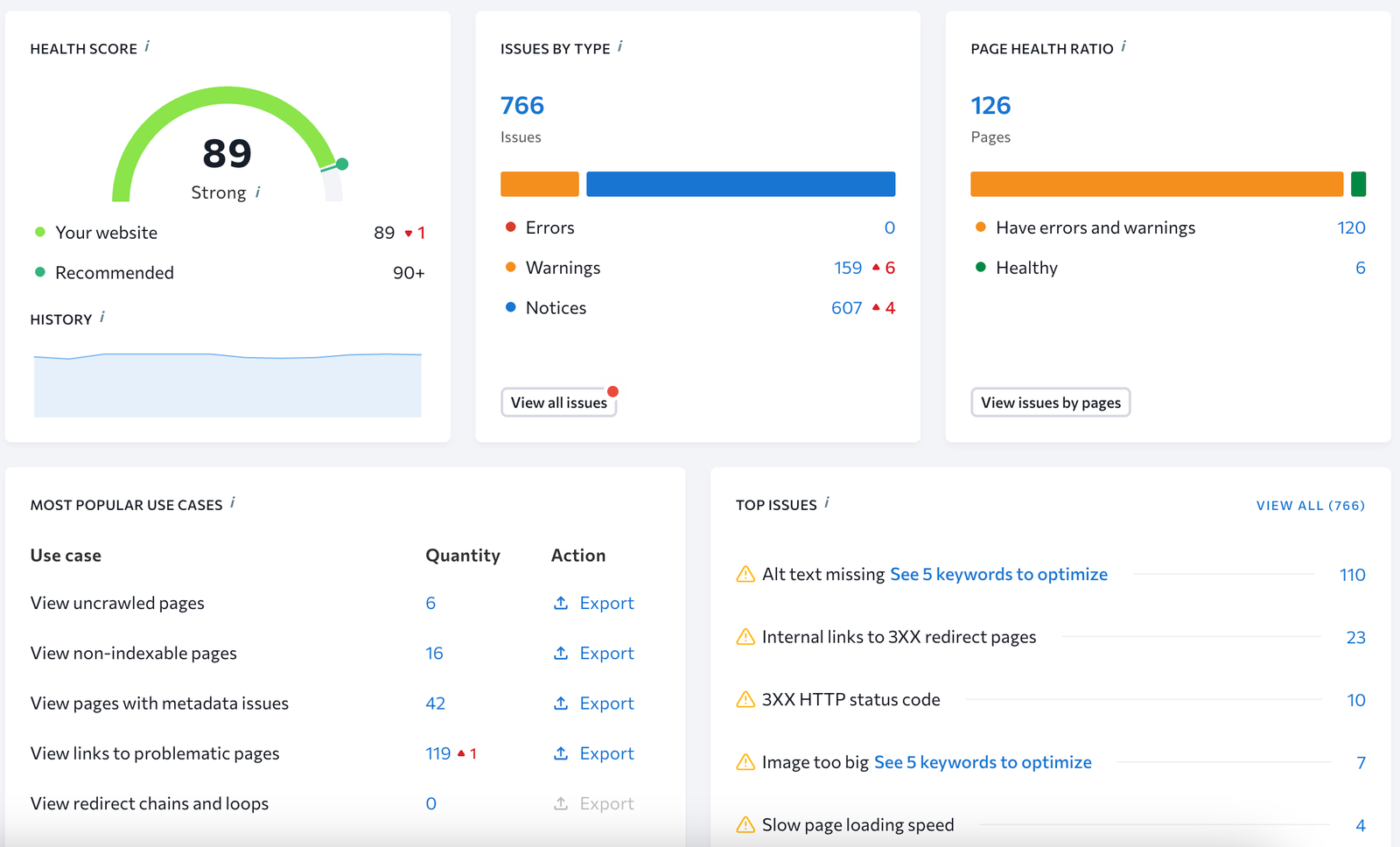
A clear plan for what gets fixed, built, and measured.
Quarterly plans bring technical fixes, commercial content, local search, authority building, CRO, and AI-search opportunities into one delivery system.
Evidence 02
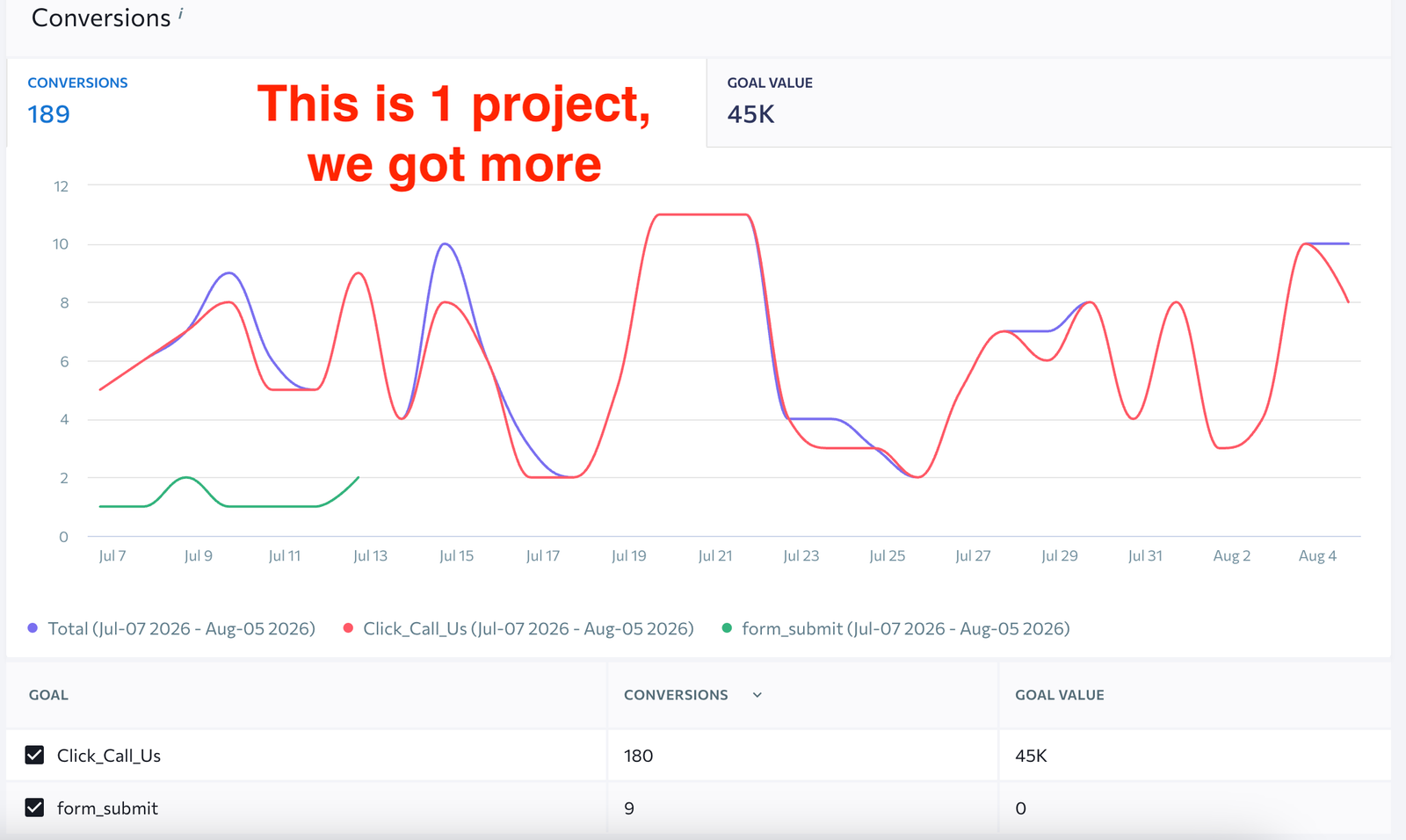
Rankings are useful. Leads are considerably more useful.
GA4 and GTM events connect organic performance with forms, calls, bookings, purchases, and quote requests across the portfolio.
Evidence 03
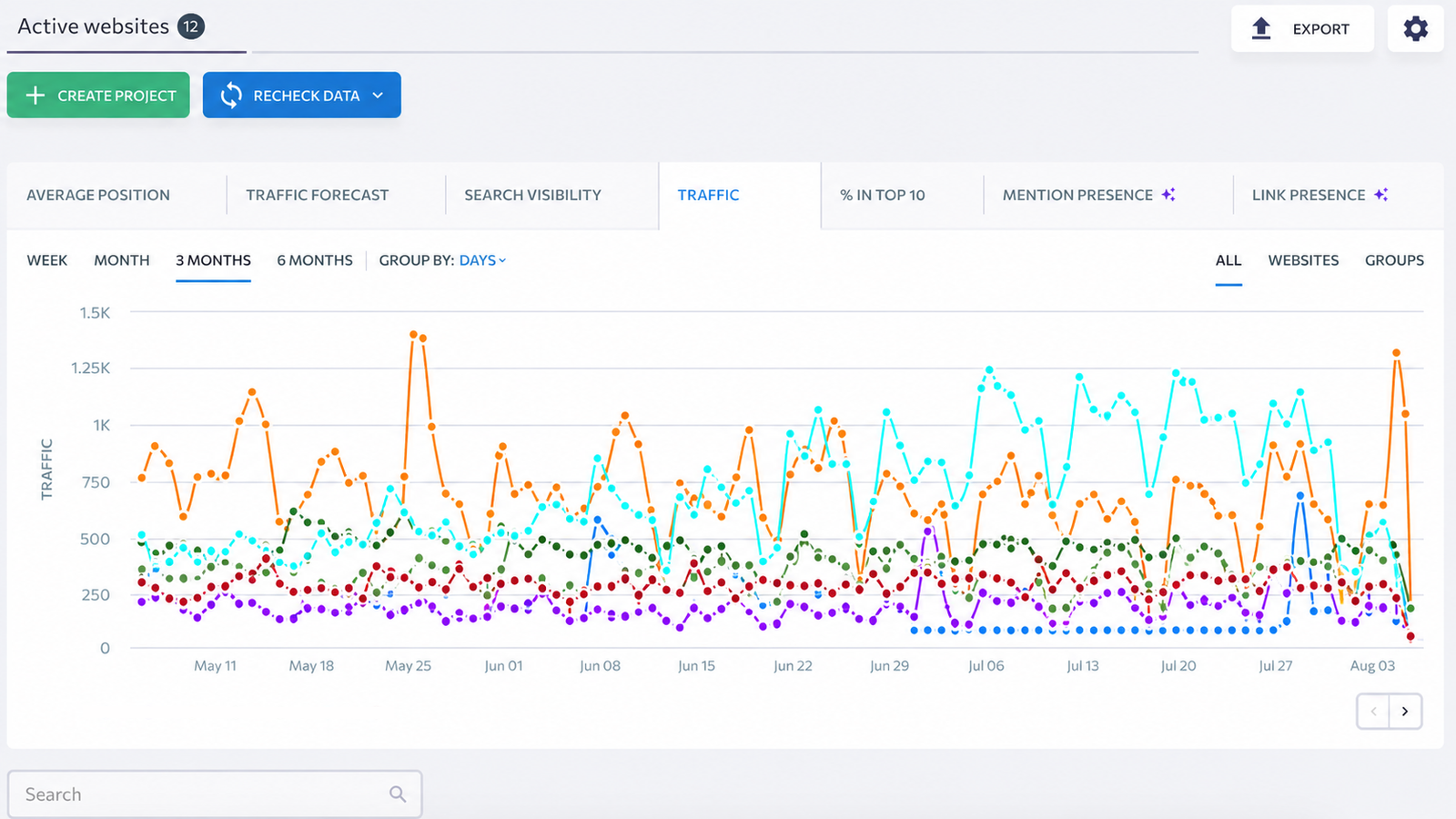
Selected campaigns improved clicks and non-branded visibility.
Content updates, internal linking, technical fixes, and stronger intent alignment increased organic clicks by 40% QoQ across selected priority campaigns and added 80+ Top 10 rankings.
Evidence 04
Search visibility now includes answers without blue links.
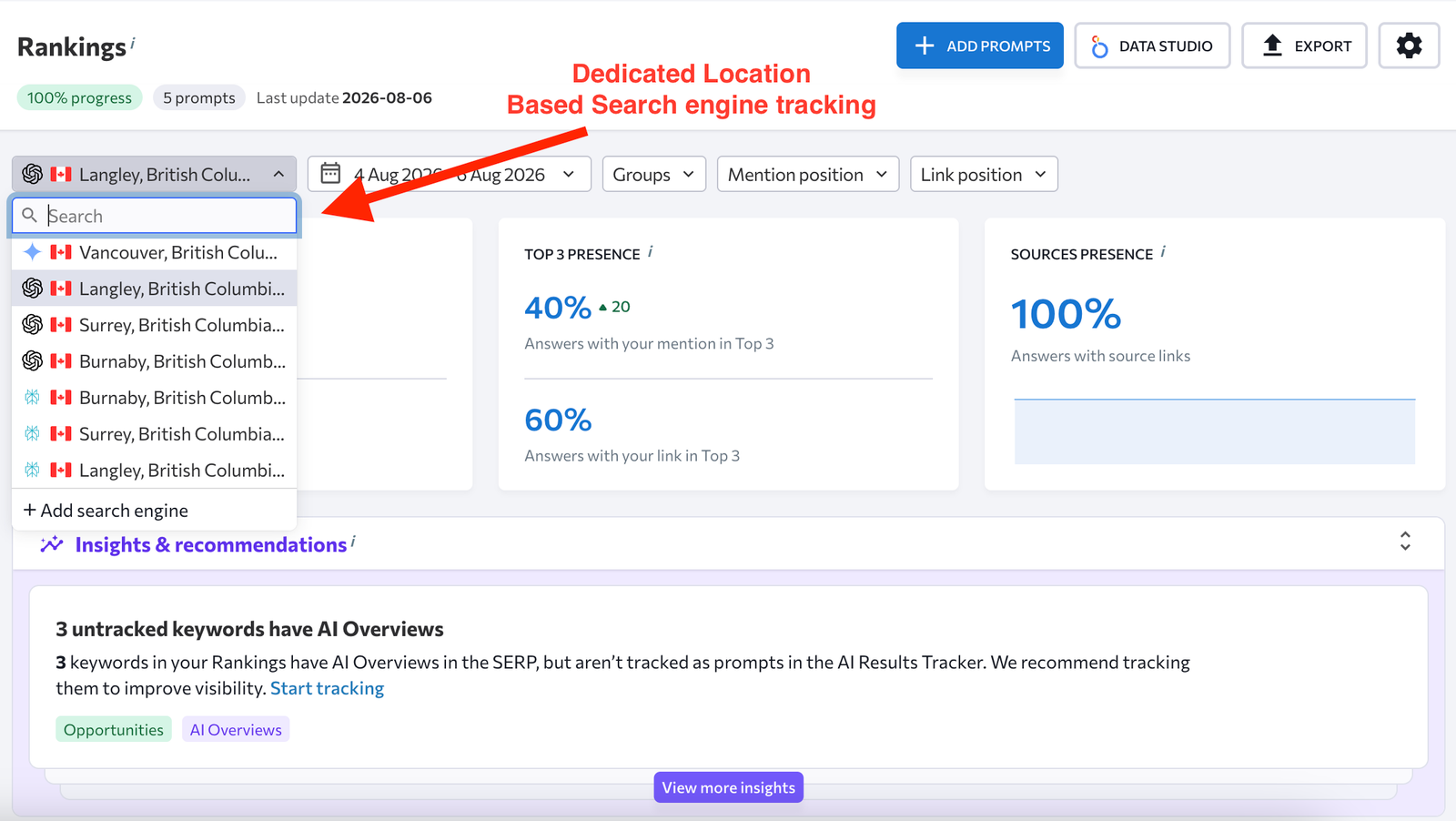
Client-specific programs cover Google AI Overviews, ChatGPT, Gemini, and Perplexity using prompt mapping, entity-focused content, structured data, direct answers, and brand-mention tracking.
The reported outcomes
A portfolio system designed to improve delivery and measurable growth.
Leadership
I set priorities, review deliverables, present risks and opportunities to clients, and coordinate execution across SEO, content, design, and development.
Range with a clear system
The system supports local SEO, ecommerce, international SEO, technical delivery, content planning, link acquisition, CRO, and emerging AI-search work without treating every account the same.
The case study is not one traffic graph. It is the system behind 12 accounts, dozens of priorities, and complete teamwork that keeps moving from insight to implementation.